
English| EUR
Suggested for you
More currencies
Choose a language
Nohoch Che'en Caves Branch Archaeological Reserve offers one of Belize's most accessible underground river experiences, but the investment of time and money makes sense for some travelers and not others. This guide examines what the caves deliver, who finds the experience worthwhile, and the practical factors that determine whether cave tubing in Belize meets your expectations.
Quick answer
Cave tubing at Nohoch Che'en is worth it for visitors seeking a moderately active outdoor experience with geological interest and cultural context. The 20 USD conservation fee covers access to subterranean chambers carved by the Caves Branch River over millennia, plus interpretive trails through secondary rainforest. The experience rewards travelers comfortable with water, willing to float through darkness for extended periods, and interested in Mayan ceremonial sites. It disappoints those expecting constant action, pristine wilderness, or solitude.
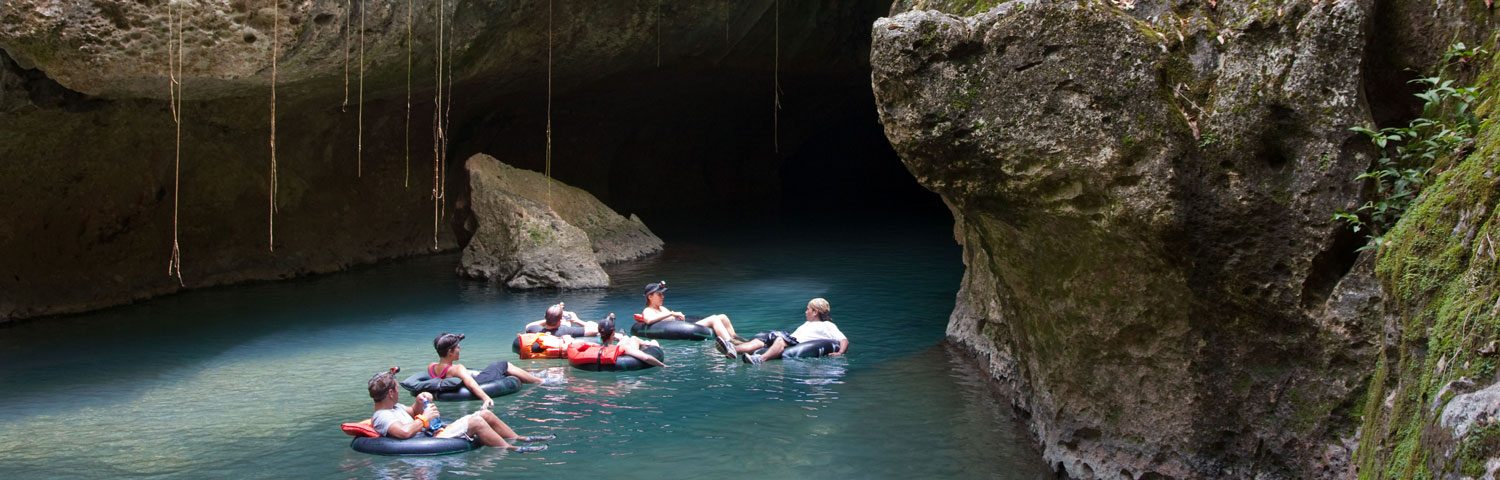
The Caves Branch River carved its passage through limestone bedrock over two million years, creating the network of chambers that Maya priests used for ritual ceremonies between 200 and 900 CE. Modern visitors follow that same water route through cathedral-sized vaults and narrow passages where pottery shards and ceremonial platforms remain visible on dry ledges above the waterline. Whether Belize cave tubing justifies the investment depends on three factors: your tolerance for shared experiences, your interest in geological processes, and your comfort with passive floating. Cruise ship groups dominate mid-morning through early afternoon, particularly Tuesday through Thursday. A group of forty tubers moving through a single-file passage creates waits and eliminates the contemplative atmosphere some expect. Independent travelers arriving at opening face a different experience—quiet chambers, undisturbed formations, and the ability to pause without blocking traffic. The Caves Branch Archaeological Reserve protects both the underground river system and the surrounding transitional forest. The thirty-minute walk from the entrance to the river launch point crosses terrain that filters cruise passengers, though the trail remains accessible to most fitness levels. Once on the water, the current does most of the work. You drift through illuminated sections where root systems penetrate the cave ceiling, then into absolute darkness broken only by headlamp beams catching flowstone and stalactites. The entire float spans roughly an hour, though guides adjust pace based on water levels and group size. Cave tubing Belize experiences vary significantly by operator. Some bundle zipline courses and lunch, others offer bare-bones transport and tube rental. The 20 USD site fee applies universally and covers only access—tubes, helmets, headlamps, and guides cost extra through your chosen operator. Visitors seeking value should clarify what their tour package includes before booking. The archaeological reserve itself provides context through minimal signage, but no on-site interpretation matches what informed guides deliver about Maya ceremonial use and formation geology. Skip this if you need constant stimulation, fear confined spaces, or want guaranteed wildlife sightings. The caves reward patience and curiosity about deep time and human history, not adrenaline.
“The caves reward patience and curiosity about deep time and human history, not adrenaline.”
The best arrival window is 08:00–10:00 to minimize exposure to heavy cruise ship traffic. Arriving during this period ensures a quieter passage through the cave system before larger groups reach the reserve.
—
Visiting early on weekdays allows for a more controlled environment inside the caves. Groups are significantly smaller compared to weekend arrivals.
Warm and dry, 25°C–30°C
This period offers reliable weather conditions for tubing. Expect higher visitor numbers as this aligns with peak tourism months.
Humid with rain, 26°C–31°C
Rainfall can affect water levels and clarity, sometimes leading to temporary cave closures. Crowds are thinner, offering a quieter experience when conditions permit.
Verdict: The best slot for the most consistent experience is an early arrival between 08:00–10:00 on a weekday during the dry months of April or May.
The Nohoch Che'en Caves Branch Archaeological Reserve maintains consistent daily operations throughout the week.
Nohoch Che'en Caves Branch Archaeological Reserve is located at Mile 37 George Price Highway, Frank's Eddy Village, Cayo District, Belize. The most direct approach for travelers is by private vehicle or pre-arranged shuttle service via the George Price Highway.
George Price Highway to Frank's Eddy Village turnoff
George Price Highway to Frank's Eddy Village
George Price Highway to Frank's Eddy Village
The site is accessed via the George Price Highway; ensure your transport is confirmed in advance as public buses do not enter the reserve access road. Arriving between 08:00–10:00 allows you to access the reserve before the primary cruise ship crowds.
Nohoch Che'en Caves Branch Archaeological Reserve is a protected site where Maya artifacts remain in situ. Visitor conduct directly impacts both cave preservation and the safety of your group.
Preparation for the Nohoch Che'en Caves Branch Archaeological Reserve requires specific attention to footwear and water-resistant gear to ensure comfort throughout the river journey.
Use a dedicated waterproof phone pouch that hangs around your neck to keep devices dry while still allowing for photos. Ensure the seal is tested before entering the water to prevent moisture damage.
Wear water shoes with reliable grip or sturdy sport sandals with back straps rather than flip-flops. Secure footwear is necessary for the hike to the cave entrance and maneuvering over submerged rocks.
Wear quick-dry synthetic clothing or swimwear underneath your gear to stay comfortable. Avoid cotton fabrics as they remain heavy and cold once saturated during the float.
While guides provide lighting, bringing a waterproof headlamp is helpful if you prefer extra visibility inside the deeper cave sections. Ensure your equipment is securely attached to avoid losing it in the water.
Bring a small dry bag for essentials like sunscreen, insect repellent, and a change of clothes. You can often secure this to your inner tube while floating through the cave system.
Everything you need to know about is cave tubing in belize worth it
Many travelers find that the experience of floating through ancient limestone karst systems makes cave tubing in belize worth it for those seeking a mix of geology and adventure. Navigating the subterranean river channels offers a unique perspective on the regional subterranean landscape.
The entrance fee is 20 USD per person for foreign visitors. This conservation fee is paid at the gate to support the maintenance of the archaeological site.
The best arrival window is 08:00–10:00 to avoid the primary cruise ship crowds that typically arrive mid-morning. Arriving early ensures a quieter experience as you drift through the cave systems.
While local tour operators vary in their offerings, expect to spend several hours on-site including the hike to the river entry point and the float itself. Factors like group size and water flow can influence the total time spent at this archaeological reserve.
Yes, children are generally welcome, though they should be comfortable in water and able to follow safety instructions provided by guides. Checking with your specific tour operator regarding age or height requirements is recommended before booking your Belize jungle excursion.
The reserve is open daily from 08:00–16:00. These hours apply consistently throughout the week from Monday through Sunday.
Visitors must pay the conservation fee upon entry and are encouraged to arrive early to ensure is cave tubing in belize worth it matches expectations. Staying hydrated and wearing appropriate water shoes for the limestone terrain are key parts of visiting these Belize landmarks.