
English| EUR
Suggested for you
More currencies
Choose a language
Cave tubing through the Caves Branch River system attracts thousands of visitors each year, yet the question of safety remains at the forefront for first-time tubers. The answer depends on guide certification, seasonal water levels, and individual preparation. This guide breaks down the verified safety record, the conditions that matter, and the steps that separate a controlled adventure from unnecessary risk.
Quick answer
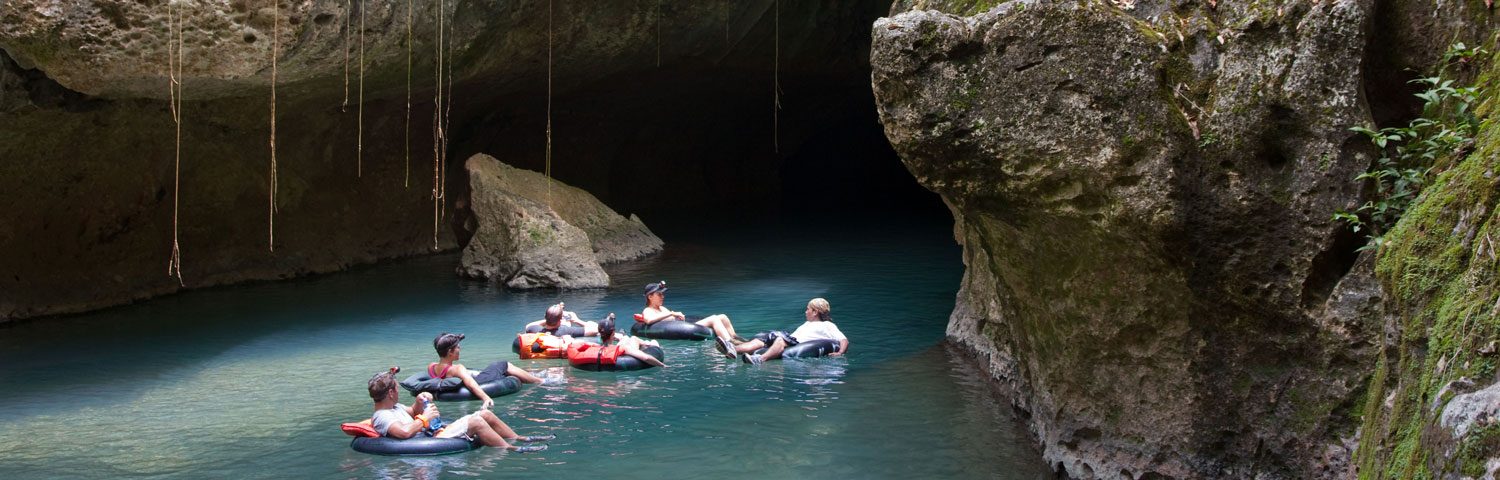
Cave tubing at Nohoch Che'en Caves Branch Archaeological Reserve is safe when conducted with certified tour operators who provide life jackets, headlamps, and trained guides. The activity has an established safety record with no major incidents reported through licensed outfitters. Water depth in the cave system ranges from waist to chest level during normal flow, and the current remains gentle year-round. Individual risk factors include inability to swim, claustrophobia in low-ceiling passages, and poor physical conditioning for the 30-minute rainforest hike to the river entry point.
The Caves Branch River flows through a network of limestone cave passages formed over three million years, creating one of Central America's most accessible underground tubing routes. The river maintains a consistent slow current between 0.5 and 1.5 knots, rarely exceeding walking pace even during wet season months from June through November. Belize's tour operator licensing system requires all cave tubing guides to complete wilderness first aid certification, cave rescue protocols, and annual safety audits through the Belize Tourism Board. Licensed outfitters maintain guest-to-guide ratios of 8:1 or lower, and every participant receives a Coast Guard-approved life jacket, helmet, and waterproof headlamp before entering the cave system. The cave passages used for tubing tours feature ceiling heights between six and twenty feet, with no technical squeezes or submerged sections that require breath-holding. The primary safety considerations for cave tubing center on physical readiness rather than environmental hazards. The 30-minute rainforest approach to the river launch point involves uneven terrain, exposed tree roots, and moderate elevation gain. Participants carry their own tubes during this section. Inside the cave system, water temperature holds steady at 72°F year-round, cold enough to cause discomfort during the 45 to 60-minute float but not hypothermia risk for healthy adults. The cave floor remains out of reach in most sections, and guides space groups to prevent tube congestion in narrow passages. Serious incidents at Nohoch Che'en remain statistically rare. The reserve's safety record since opening to commercial tours in 1987 shows no fatalities attributable to cave conditions or guide error among licensed operator clients. Minor injuries—primarily scrapes from low-hanging formations or slips during the rainforest hike—occur at rates comparable to other moderate adventure activities. The Belize National Emergency Management Organization classifies cave tubing as a Category 2 adventure activity, the same risk tier as snorkeling and horseback riding. The question of whether cave tubing in Belize presents acceptable risk ultimately depends on honest self-assessment. Participants who can walk a mile on uneven ground, feel comfortable in dark enclosed spaces, and follow guide instructions consistently will find the activity well within manageable boundaries.
“Licensed outfitters maintain guest-to-guide ratios of 8:1 or lower, and every participant receives Coast Guard-approved safety equipment before entering the cave system.”
Cave tubing at Nohoch Che'en operates under strict safety protocols and environmental protection measures. Mandatory equipment and conduct rules exist to protect both visitors and the fragile cave ecosystem.
The safest and most reliable window for cave tubing is between 08:00 and 10:00, which minimizes exposure to daily heat and avoids the heaviest volume of cruise ship excursions. River conditions remain most stable during the drier months, reducing the likelihood of high-water closures.
Low rainfall, 24°C–32°C. River levels are typically stable and calm.
High season offers the most consistent water access.
High rainfall, 25°C–31°C. Flash floods possible.
Requires monitoring local water levels for safety.
—
The best daily slot for a quiet experience and lower river traffic.
Verdict: The optimal time to visit is Tuesday to Thursday between 08:00 and 10:00 during the months of February through May.
Nohoch Che'en Caves Branch Archaeological Reserve operates daily to accommodate visitors. The site maintains consistent hours throughout the week.
Nohoch Che'en Caves Branch Archaeological Reserve is located at Mile 37, George Price Highway, in Frank's Eddy Village, Cayo District. The most practical approach for visitors is by car or pre-arranged transport via the George Price Highway.
George Price Highway to Frank's Eddy Village access road
George Price Highway to Frank's Eddy junction (requires private transfer for final mile)
Direct from Belize City or Belmopan
Plan your arrival between 08:00–10:00 to avoid mid-day heat and large crowds from cruise ship excursions. Follow signage specifically for the official reserve entrance to ensure you reach the designated parking and registration area.
Proper preparation ensures a comfortable and safe cave tubing experience in the reserve's underground river system.
Everything you need to know about is cave tubing in belize safe
Cave tubing at the Nohoch Che'en Caves Branch Archaeological Reserve is generally considered safe for visitors who follow official protocols. Professional guides provide life jackets and helmets, ensuring that is cave tubing in Belize safe for those with limited swimming experience. The current is typically gentle, allowing for a relaxed float through the limestone cavern system.
Safety is maintained through the use of high-quality equipment and experienced local guides who monitor the Caves Branch River conditions constantly. Since is cave tubing in Belize safe procedures require all guests to wear mandatory safety gear, the risk of injury is significantly minimized. Guides are trained in water rescue and possess extensive knowledge of the cave topography.
Families often find the experience manageable because the primary activity involves floating in calm water within the Maya archaeological site. Parents should confirm that is cave tubing in Belize safe standards are met by booking through licensed operators who provide appropriate life vest sizes for children. The activity remains an approachable way for young explorers to see ancient geological formations.
Exploring this Belize attraction requires preparation, including wearing sturdy water shoes and listening closely to the safety briefing provided at the reserve entrance. While many people ask if is cave tubing in Belize safe, the key is strictly adhering to the instructions given by your guide regarding water entry and exit points. Maintaining awareness of the surrounding karst landscape helps ensure a trouble-free experience.
River water levels can fluctuate during intense rain, which may lead to temporary park closures for visitor protection. It is recommended to check the official status of the reserve if you are concerned about whether is cave tubing in Belize safe during inclement weather. When the water level is high, authorities proactively restrict access to the subterranean passages to ensure guest security.
The reserve management enforces strict entry policies, requiring all visitors to be accompanied by a licensed guide when entering the caves. This regulatory framework contributes to why is cave tubing in Belize safe as a standard practice for international travelers. By centralizing management of the limestone tunnels and river paths, the reserve maintains consistent safety oversight.
Entering the caves independently is not permitted, which inherently makes the experience safer for all visitors. Because is cave tubing in Belize safe requires a professional guide to navigate the river currents and cave passages, you must book your visit through an authorized provider. Following this requirement ensures you benefit from expert knowledge of the stalactites and cave environment.